Disabled Women Veterans
Supporting Women Veterans
At DAV, we’re dedicated to supporting women veterans and addressing their specific needs. Women have significantly contributed to the military, and it’s vital to acknowledge their service and provide them with the necessary support they have earned and deserve.
Our programs and initiatives aim to highlight the importance of women veterans and raise awareness about the unique challenges they face. From ensuring access to quality health care to empowering women veterans, we strive to make a meaningful difference in their lives.
Join us in honoring and supporting women veterans as we work toward creating a better future for those who have served our country with dedication and courage.
Importance of women veterans
Women have made substantial contributions to the military throughout history, yet their roles and achievements often go unrecognized. Honoring the invaluable contributions of women veterans is crucial for acknowledging their service and ensuring their continued well-being.
Since the Revolutionary War, women have served in various capacities, including nurses, spies and soldiers. Despite these women’s dedication and sacrifices, their contributions have often been overshadowed by those of their male counterparts. The percentage of women in the military has grown over time, making it essential to celebrate the achievements of women veterans, as their experiences and perspectives enrich the military community.
Today, women are serving in the military in record numbers, representing more than 16% of active-duty military members and 10% of veterans. As the fastest-growing subpopulation of the military and veteran community, more women are turning to the Department of Veterans Affairs to address post-service health issues and readjustment challenges. Yet despite much recent progress, women veterans continue to face significant barriers accessing their earned benefits and still don’t receive proper recognition for their service to the nation.
Advocacy for gender-specific services is essential to ensure that women veterans receive the support and resources they need. This includes access to health care services tailored to their unique needs, such as reproductive health services and specialized mental health support. By advocating for gender-specific services, we can help bridge the gap and ensure that women veterans receive the comprehensive care they deserve.
Access to quality health care
At DAV, we understand the unique health care needs of service-disabled women veterans and are committed to ensuring they have access to comprehensive health care and specialized programs and services to meet their needs post-service. Women veterans may face different health challenges compared with their male counterparts, and it is crucial to address disparities in health care.
Our primary focus is ensuring that women veterans have access to health care services tailored to their needs. DAV does this through legislative advocacy, outreach and education and by working closely with the VA and other stakeholders.
In addition to physical health, we recognize the importance of mental health support for women veterans. Many women veterans may experience unique mental health challenges related to their military service. Our goal is to ensure that women veterans receive the necessary support and resources to maintain their mental well-being.
We are dedicated to improving access to quality health care for women veterans. Through our specialized efforts to address gender disparities and a focus on mental health support, we strive to meet the unique needs of women who have served in the military.
Empowering women veterans
At DAV, we are committed to empowering women veterans and providing them with the support and resources they need to thrive in their post-military lives.
In 2024, DAV released the special report Women Veterans: The Journey to Mental Wellness, which serves as a comprehensive assessment of the unique mental health challenges women veterans face, as well the existing gaps in gender-tailored care and suicide prevention. DAV’s previous reports—the 2014 landmark report Women Veterans: The Long Journey Home and the 2018 follow-up Women Veterans: The Journey Ahead—continue to be valuable resources that have helped usher in numerous policy and legislative changes to improve programs and services for women veterans.
In recent years, DAV has encouraged a continued focus on women veterans’ issues and celebrated the passage of key legislation, including:
- The Protecting Moms Who Served Act, which dedicates $15 million to the VA’s maternity care coordination program and calls for a comprehensive study on maternal mortality and severe complications among women veterans
- The MAMMO Act, which requires the VA to develop a strategic plan for improving breast-imaging services for women and implement a pilot program to provide tele-screening mammography services, among other measures
- The Dr. Kate Hendricks Thomas SERVICE Act, which expands eligibility for mammography screenings to veterans who served in certain locations during specified periods, particularly those who were exposed to toxic substances at such locations, including sites known to have exposure to burn pits.
Additionally, DAV has been invited to participate in all meetings of the House Veterans’ Affairs Committee’s Congressional Women Veterans Task Force since its inception in 2019. The task force has been instrumental in the passage of key legislation pertaining to women veterans’ issues, including the groundbreaking Deborah Sampson Act, a comprehensive measure aimed at improving women veterans health care.
The law established the VA Office of Women’s Health to oversee women’s health programs as well as counseling and legal services.
More resources for women veterans
VA Center for Women Veterans
PACT Act information for women veterans

Take an in-depth look at what the historic Deborah Sampson Act accomplished, and what it revealed about the unique needs and challenges of women who served.
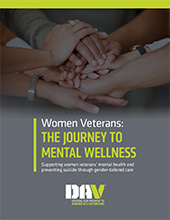
Supporting women veterans’ mental health and preventing suicide through gender-tailored care.
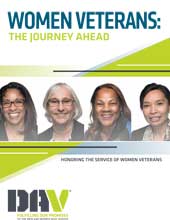
The research reveals that America’s more than 300,000 women veterans are put at risk by a system designed for and dominated by male veterans.
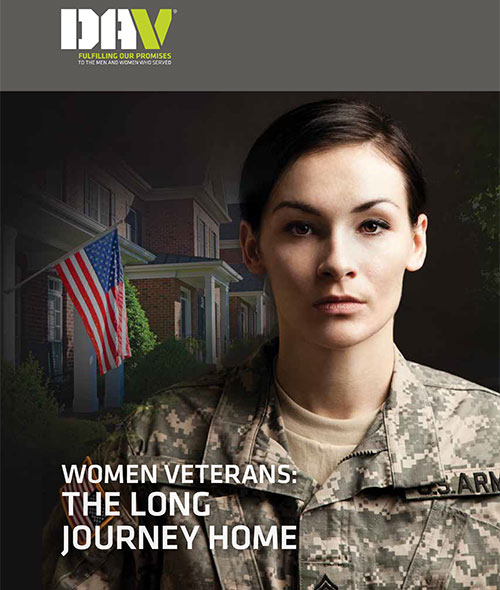
This unprecedented report gives a comprehensive look at the many challenges women face when they leave military service and provides a roadmap
for urgent action.