Medical Marijuana for Veterans: Benefits, Access and Guidance
Many veterans are exploring medical cannabis to help manage chronic pain, post-traumatic stress disorder (PTSD), traumatic brain injury (TBI) symptoms, anxiety and sleep problems. This guide outlines potential benefits and risks, medical marijuana’s place in a broader care plan, and key legal and Department of Veterans Affairs policy considerations. It isn’t a substitute for medical advice. Always discuss treatment decisions with a licensed clinician.
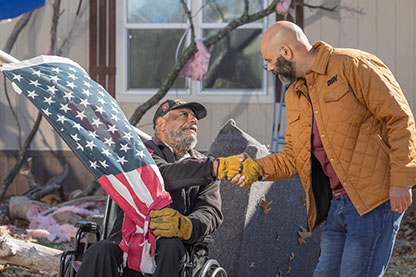
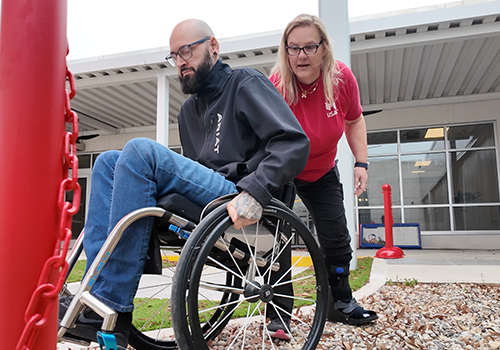
The injury brought on chronic pain for Watson and eventually led to his medical retirement from the military in 2016. As a father, husband, entrepreneur and student, he knew something had to be done to combat the pain.
For Watson, there was only one choice.
Potential benefits and risks
Evidence is growing that medical cannabis may ease symptoms common after military service. Research is strongest for chronic neuropathic pain and some sleep disturbances. Findings for PTSD symptoms such as hyperarousal and trauma-related nightmares are mixed, with some small studies showing modest improvement in nightmare frequency and others finding no significant effect. Data for anxiety and TBI-related symptoms are more limited, and outcomes vary by product, dose and individual response.
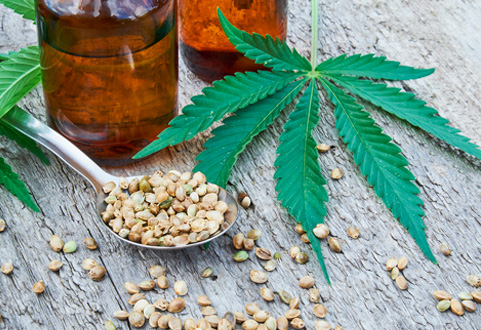
Potential benefits
Potential benefits include reduced pain intensity, improved sleep continuity, fewer nightmares and relief of anxiety in some users. Some veterans report lowering opioid or sedative use under medical supervision.

Risks
Risks include cognitive slowing, impaired coordination, short-term memory issues, anxiety or panic at higher THC, the active component in marijuana, doses, cannabis use disorder, and mood worsening in susceptible individuals. Smoking may irritate the lungs; edibles can lead to delayed overconsumption. Vaping may be less harmful than smoking but also carries significant medical risks. While vaping avoids the combustion-related toxins, it delivers highly concentrated THC, which can elevate adverse reactions like anxiety, paranoia and serious lung disease.
Access, Legal Considerations and VA Policy
In the United States, cannabis remains illegal at the federal level, while most states run medical cannabis programs with their own qualifying conditions and rules. Eligibility, product types, possession limits and caregiver provisions vary by state. Traveling across state lines with cannabis is generally illegal, even between two legal states.
The VA doesn’t provide or pay for medical cannabis, and VA clinicians can’t issue state recommendations. Veterans won’t be denied VA benefits solely for participating in a state program. VA providers may discuss use as part of comprehensive care and should document it in the medical record. Cannabis use can influence aspects of care such as medication choices, mental health monitoring and surgical planning, but it shouldn’t affect eligibility for VA services.
It’s important to keep in mind the required documents needed and how to interact with VA providers. Veterans should:
- Keep state program documentation current and accessible, including your medical marijuana card.
- Bring a list of products, doses and frequency to appointments.
- Disclose cannabis use before procedures or when starting new medications.
- Ask your VA provider to note therapeutic goals and observed effects.
Choosing and Using Medical Cannabis Safely
While smoking comes with hazards, other forms of medical cannabis are regularly ingested. Common forms include oils or tinctures (sublingual), edibles and capsules (oral), vaporized flower or concentrates (inhalation), and topicals (local application). Onset and duration differ by route.
CBD, a relaxing compound found in marijuana that does not cause the “high” associated with THC, options are less intoxicating and may reduce anxiety for some. Veterans with respiratory conditions may prefer non-inhaled forms.
Costs, Coverage and Documentation
The VA doesn’t cover the cost of medical cannabis or related products. Neither does Medicare. State application fees, clinician certification visits and products are typically out of pocket. Some states reduce fees for veterans or low-income applicants, and many dispensaries offer veteran discounts.
The benefits of having a medical marijuana card can include legal protections under state law, access to trained medical professionals, and eligibility for products and potencies reserved for patients. A medical marijuana card may also provide lower taxes in some jurisdictions.
Considerations Before Deciding
Medical cannabis isn’t right for everyone, and the decision should weigh both potential benefits and the risks outlined above. Veterans considering this option may want to think through:
- Your specific symptoms and history. The evidence base is strongest for chronic pain and sleep; it’s weaker and mixed for PTSD, and limited for TBI and anxiety.
- Your risk factors. A personal or family history with mental health diagnoses, cardiovascular disease, and chance of pregnancy are worth discussing with a health care provider.
- State eligibility and cost. The VA and Medicare don’t cover medical cannabis costs. Application fees, clinician visits, and products are typically covered out of pocket.
- Legal and workplace environments. Federal illegality still creates conflicts with certain jobs, housing, and firearm ownership regardless of state law.
Talking through these factors with a VA or community clinician can help clarify whether medical marijuana fits your specific situation.
Medical marijuana for veterans is one option within a comprehensive plan that prioritizes safety, evidence-based care and informed decision-making.
If you or someone you know is in crisis, contact the Veterans Crisis Line by calling 988 and pressing 1, texting 838255, or chatting online; support is available 24/7.