Service dogs for PTSD and other conditions
Veterans often face issues that can significantly affect the quality of their daily lives. Disabilities from military service, including blindness or deafness, as well as mental and emotional struggles like depression or post-traumatic stress disorder (PTSD), can make life much more difficult for veterans than their civilian peers.
For veterans dealing with these challenges, service animals can provide invaluable support and assistance.
Benefits of service animals
Service animals are trained to perform a variety of tasks that help individuals with disabilities and impairments lead more fulfilling and independent lives.
The use of emotional support animals and therapy animals has risen dramatically over the years, providing an important benefit to many within the veteran community. A wide body of anecdotal evidence and scientific studies supports what many already suspected: Animal companionship can help support positive outcomes in physical and mental health.
Types of service animals
While many different animal species can be trained to perform tasks—including pigs, cats, horses, monkeys and birds—only dogs are recognized as service animals.
There are many types of service dogs, and some even serve multiple purposes. They can be highly trained to assist individuals with disabilities and disorders, including PTSD.
These working animals are not pets. Dogs whose sole function is to provide comfort or emotional support do not qualify as service animals under the Americans With Disabilities Act (ADA).
When matching the right service animal to individual needs, it is crucial to consider a veteran’s specific symptoms and challenges. Service animals offer invaluable support, helping their handlers navigate daily life with increased independence and confidence.
Common types of service dogs for veterans include:
- Guide dogs for individuals who are blind
- Hearing dogs for individuals who are deaf or hard of hearing
- Mobility assistance dogs for those in wheelchairs or those with mobility limitations
- Seizure response dogs
- Diabetes assistance dogs to detect blood sugar highs and lows (these dogs are scent-trained)
- Mental health service dogs or psychiatric service dogs that are task-trained to assist those with PTSD, panic disorders, anxiety disorders, major depression, autism spectrum disorders and other conditions
Beyond that, there are also therapy animals and emotional support animals. All assistance animals perform different tasks and, as such, have different levels of public access protected by law.
Service animals:
- Are covered by the ADA and have the right to enter public establishments
- Are trained to assist a specific person
- May live with their owners regardless of pet policies under the Fair Housing Act and Section 504 of the Rehabilitation Act of 1973
- May fly with their disabled owner in the cabin of an aircraft as part of the federal Air Carrier Access Act
Therapy animals:
- Provide emotional support or comfort to a number of different people in various settings (e.g., visiting hospital patients, comforting witnesses during court testimony or offering support to trauma survivors)
- Are not considered a service animal under the law and are not covered by or afforded rights through the ADA
Emotional support animals:
- Provide emotional support through companionship
- May live with owners regardless of pet policies under the Fair Housing Act and Section 504 of the Rehabilitation Act of 1973
- Are not considered a service animal under the law and is not covered by or afforded rights through the ADA
It is important to note these differences. Even though therapy animals and emotional support animals may be very well trained and properly behaved, they are still not qualified service animals and do not have the same access rights.
PTSD and service animals
PTSD is a mental health condition that can develop after experiencing or witnessing a traumatic event. It affects individuals differently and often affects their daily lives.
PTSD can be triggered by various traumatic events, such as combat exposure, physical or sexual assault, natural disasters or accidents. Symptoms include intrusive thoughts, nightmares, flashbacks, and intense emotional or physical reactions when reminded of the traumatic event.
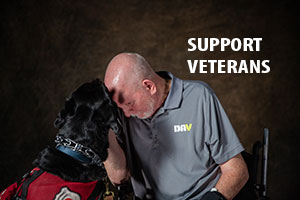
Service animals can play a significant role in PTSD treatment. These specially trained animals provide support and assistance, helping individuals navigate daily life and cope with their symptoms.
One primary way service animals assist individuals with PTSD is by providing emotional support. They are trained to sense and respond to their owner’s emotional state, offering comfort and companionship during difficult times.
Service animals are also trained to detect and respond to signs of anxiety or distress in their owners. They can be taught specific tasks to interrupt or redirect anxious behaviors, such as pawing or licking, providing a distraction or applying pressure to calm their owner. This helps individuals manage their symptoms and regain control in challenging situations.
Additionally, service animals provide a sense of security and reassurance through companionship. Their presence alone can reduce feelings of loneliness and isolation that often accompany PTSD.
Overall, service animals offer invaluable benefits for veterans suffering from PTSD. The ability to provide emotional support, reduce anxiety and assist in managing symptoms makes service animals a valuable tool in the treatment and recovery process. If you or someone you know is living with PTSD, including a service animal in the treatment plan may provide significant support and improve overall well-being.
Service animals for PTSD are not only companions but also dedicated partners in overcoming challenges. They offer unconditional support, helping individuals with PTSD regain their independence and improve their overall quality of life.
Training and certification
Service animals undergo extensive training to develop the necessary skills and behaviors to assist their handlers effectively. This training teaches the animals how to recognize and respond to specific symptoms and triggers and provide timely intervention, comfort and support.
Certification and accreditation practices ensure service animals are trained to high quality and reliability standards. This certification process ensures that service animals have received appropriate training and are equipped to assist their handler effectively.
Regular evaluations and assessments help maintain the quality and effectiveness of these animals. By adhering to established standards, service animals continue to positively affect the lives of those struggling with PTSD or other conditions.
Legal rights and protections
Several laws and regulations ensure the protections of individuals and their service animals. Understanding these legal rights is crucial for individuals seeking the assistance of a service animal to manage their symptoms and improve their quality of life.
The ADA is one of the main laws protecting individuals with PTSD and their service animals. Under the ADA, individuals with disabilities, including PTSD, have the right to be accompanied by their service animals in public places such as restaurants, stores, hotels and other accommodations.
Service animals are defined as dogs specifically trained to perform tasks that mitigate their handler’s disability. It is important to note that emotional support animals and therapy animals have different legal rights than service animals. Only service animals, trained to perform specific tasks directly related to the handler’s disability, are granted access to public spaces and accommodations.
When navigating public spaces and accommodations with their service animal, handlers should be aware of their rights. They have the right to enter these spaces and cannot be denied access or charged additional fees due to their service animal. However, it is important for individuals to ensure their service animal is well behaved and under control at all times to avoid any disruptions or safety concerns.
Understanding the legal rights and protections surrounding service animals for PTSD is crucial for individuals with PTSD and the general public. By recognizing these rights, we can create a more inclusive society that supports the needs of individuals with disabilities and their service animals.
How to find a service animal
Obtaining a service animal for PTSD or other conditions can be a life-changing decision for individuals seeking to better manage their circumstances. Service animal organizations work closely with individuals to ensure the right match is made based on lifestyle, living arrangements and personal preferences. Understanding the steps, requirements and available resources is crucial.
The process of obtaining a service animal typically involves several steps. First, individuals need to consult with their health care provider or mental health professional to determine if a service animal is an appropriate treatment option for their specific needs. The health care provider can then provide a recommendation or a prescription for a service animal.
Once the recommendation is obtained, individuals can research organizations that provide service animals. These organizations have specific eligibility criteria that applicants must meet. Eligibility criteria may include having a diagnosis of PTSD, being able to demonstrate a need for a service animal, and having the ability to provide proper care and training for the animal.
It is important to note that the specific process and requirements may vary depending on the organization and individual circumstances. Therefore, it is recommended to thoroughly research and consult with professionals to ensure a smooth and successful experience in obtaining a service animal for PTSD.
Additional resources