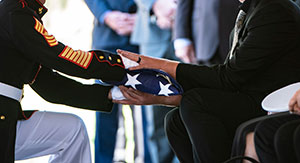
 For families of severely disabled veterans, service doesn’t end when the uniform comes off. Spouses often spend years as caregivers, advocates and steady partners through the lasting effects of service-related injuries and illnesses. They’re there for the hospital visits, the sleepless nights and everything between—sharing the burden and the sacrifice.
And when a veteran dies, their love and commitment don’t disappear. The support those families earned shouldn’t either.
Like anyone else, veterans want their spouses to keep living full, meaningful lives after they’re gone. They want to know their family’s sacrifices are recognized and that their loved ones can move forward without worrying about losing the benefits they depend on. That’s where the Love Lives On Act (H.R. 1004/S. 410) comes in.
At the time of publication, the Senate version has already made it through committee, while the House version is still under review.
The current rules for surviving spouses are outdated and unfair. For example, if a surviving spouse remarries before age 55, they can lose the benefits they earned through years of supporting their veteran.
The Love Lives On Act would remove the penalty for remarrying and make sure surviving spouses can keep their benefits, giving them more stability and freedom to rebuild their lives. It recognizes something simple but powerful: Love doesn’t end when a veteran dies, and support shouldn’t either.
“DAV supports this legislation because it’s about fairness,” said DAV National Legislative Director Jon Retzer. “It’s about keeping promises to veterans and their families and making sure surviving spouses aren’t left facing unnecessary hardship after everything they’ve already given.”
At the end of the day, passing the Love Lives On Act isn’t just a policy decision—it’s a way to honor the loyalty, sacrifice and enduring love of military families. It’s about doing right by the people who stood by our veterans every step of the way.