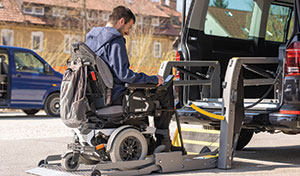
 For service-disabled veterans, the freedom of independent travel is often hard-won, yet for many, it remains out of reach due to outdated federal regulations.
The Department of Veterans Affairs Automobile Adaptive Equipment (AAE) program, while a vital resource, is currently hindered by a narrow, outdated list of what qualifies as adaptive equipment. This limitation prevents many veterans from getting the specific vehicle modifications they need to travel safely and independently.
The AAE program, originally established for World War II veterans in 1946, has been extended to subsequent generations. However, its legal framework has not kept pace with modern technology.
“Currently, the VA publishes a list of items which it considers ‘adaptive equipment,’ but since this list is codified into public law, it has inadvertently restricted the VA to purchasing only items displayed on the list,” said DAV Assistant National Legislative Director Joseph Lemay.
The Automotive Support Services to Improve Safe Transportation (ASSIST) Act of 2025 (H.R. 1364 and S. 1726) aims to fix this critical limitation. By expanding the VA’s definition of “medical services,” the bill would provide the VA secretary with the flexibility to cover a broader range of medically necessary modifications. These include crucial modern equipment like ramp and kneeling systems, mobility lifts, raised doors or lowered floors, adapted seating, and ingress or egress accessibility modifications.
“We take things like driving or riding in a vehicle for granted, but for some veterans, operating a vehicle can be challenging without the proper modifications,” said Sen. Tommy Tuberville, who sponsored the bill. “Alabama is home to more than 400,000 veterans, and we want to ensure that each of them has the necessary resources to lead safe, independent lives. The ASSIST Act is a commonsense piece of legislation that would give veterans access to needed vehicle modifications such as ramps and device lifts. I’m proud to lead the ASSIST Act in the Senate and will continue fighting to help the heroes who have sacrificed so much for us.”
This legislation would provide a vital fix by eliminating the discrepancy about what adaptive equipment the VA can provide to disabled veterans. It would ensure that the program can evolve with technology and better meet the needs of those it serves. The bill was passed by the House in May and is now being considered by the Senate Committee on Veterans’ Affairs.
“Every service-disabled veteran deserves the freedom and independence that comes with safe, reliable transportation,” said DAV National Commander Coleman Nee. “For those living with severe service-connected disabilities, that independence depends on adaptive vehicle equipment that allows them to travel safely to and from medical appointments and remain active in their communities, which is why DAV is proud to support this important legislation.”
To take action on the ASSIST Act or other key veterans legislation, join DAV CAN (Commander’s Action Network) at davcan.org.