 Many illnesses and injuries make themselves known immediately. Others arrive quietly, often years later, while trying to sleep and after the noise fades. A spouse may notice a veteran struggle, or even stop breathing while they sleep. A veteran may experience persistent ringing in the ears that keeps coming back. It’s easy to chalk these up to typical aging or the accepted reality after years of the rigors of military service. But these common conditions are more than irritations; they may be compensable disabilities through the Department of Veterans Affairs.
These invisible disorders—sleep apnea and tinnitus—are some of the most frequently claimed disabilities. These ailments are more than annoyances; they’ve been shown to impact a veteran’s quality of life, ability to work and overall health.
Sleep apnea is a disorder characterized by repeated pauses in breathing while sleeping. If an airway collapses or becomes blocked while sleeping, a veteran may experience loud snoring, choking or gasping for air. These repeated throat closures can cause severe drops in blood oxygen and constant awakenings, leading to high blood pressure, heart disease and the possibility of a stroke.
On the other hand, tinnitus is the perception of sound often when no noise is present. Veterans may experience ringing, buzzing, hissing or roaring. It can be constant or intermittent.
Tinnitus is commonly associated with damage to the inner ear and can impact a veteran’s life in unexpected ways. Constant auditory disruption can lead to chronic insomnia, anxiety, depression and cognitive issues.
To claim a disability with the VA, veterans have options to establish service connection, unlocking veterans’ benefits and healthcare. The most common is direct service connection. There are three required elements:
- A current diagnosis from a medical professional
- Proof of an in-service event, which can be found in service treatment records
- A medical nexus, or opinion, linking the two.
Veterans can also submit a claim as a secondary condition. If a new medical issue arises from a direct, approved, service-connected injury or illness, a veteran may file a claim for that disability. Obstructive Sleep Apnea OSA may also be secondary to certain service-connected conditions, such as chronic sinusitis or other disabilities that contribute to its development. Every claim depends on the individual medical evidence.
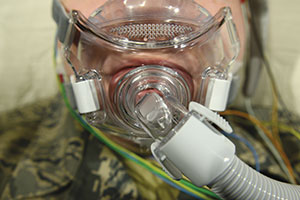
Treatment for OSA often involves a breathing device, like a continuous positive airway pressure (CPAP) machine. Healthy sleeping patterns are linked to healthy lives, but many require assistance from devices. Veterans should view CPAPs like they do prosthetics—required devices affixed to a veteran’s face for the rest of their lives.
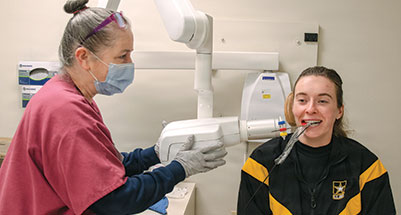
Veterans experiencing tinnitus are typically evaluated by an audiologist, who assesses hearing and documents the condition. Sleep apnea is diagnosed through a sleep study, which can be in-lab or at home.
When it comes to VA ratings, 10% is the maximum a veteran can receive for tinnitus, no matter the severity. Unlike hearing loss, which can be measured precisely through standard audio tests, the VA cannot test for the intensity of the ringing.
Sleep apnea is a bit more complex.
- 0%: Diagnosis with no symptoms that warrant compensation
- 30%: Persistent daytime hypersomnolence (excessive daytime sleepiness)
- 50%: Requirement for a breathing assistance device, such as a CPAP or BiPAP
- 100%: Chronic respiratory failure with carbon dioxide retention, or if a tracheostomy is required
Veterans who believe these conditions, like every illness or injury, are connected to their military service may be eligible for VA disability compensation.
No matter the condition, a veteran should always consult an accredited DAV benefits advocate. They are the best in the business and can help veterans gather evidence, file claims and navigate the VA process at no cost.
Related News & Events
Recreation therapy helps veterans rebuild life after injury
Thousands helped, more welcome

The modern covenant

A morning walk, a Purple Heart, a debt paid