
Diabetes
DIABETES CARE FOR
VETERANS

YOU’RE NOT ALONE: SUPPORT FOR VETERANS
Veterans face unique health challenges, and diabetes is one of the most prevalent conditions affecting those who have served. Comprehensive diabetes care is crucial because it not only involves managing blood sugar levels but also addresses the broader effects of the disease on overall health and quality of life.
If you’re a veteran dealing with diabetes, you are not alone. DAV and the VA offer extensive support, from health care services to counseling and claims assistance. Reach out to DAV for guidance on accessing benefits tailored specifically to veterans. The VA provides programs designed to help you manage diabetes and improve your quality of life. Support is available—and you don’t have to navigate this journey by yourself.
WHAT IS DIABETES?
Diabetes is a chronic condition where the body cannot effectively manage sugar in the bloodstream, which can lead to health issues over time. While diabetes can impact people of all ages, it is manageable with the right tools, knowledge, and care. Explore the different types of diabetes below to learn how each one works and what makes them unique.

Prediabetes
Prediabetes is a condition in which blood sugar levels are higher than normal but not yet high enough for a Type 2 diabetes diagnosis. It is a warning sign that the body is becoming insulin resistant.
Prediabetes can often be reversed through lifestyle adjustments including diet changes, physical activity and weight management which significantly reduce the risk of progressing to Type 2 diabetes.

Type 1 Diabetes
Type 1 diabetes is an autoimmune condition in which the body’s immune system mistakenly attacks and destroys the insulin-producing cells in the pancreas. As a result, the body can no longer produce insulin, a hormone needed to move glucose from the bloodstream into the cells for energy.
Type 1 diabetes is managed with lifelong insulin therapy delivered through injections or an insulin pump. Treatment also includes regular blood glucose monitoring, careful meal planning and physical activity.

Type 2 Diabetes
Type 2 diabetes occurs when the body becomes resistant to insulin or doesn’t use it efficiently. Over time, the pancreas may also produce less insulin.
Management often begins with lifestyle changes, such as improved nutrition, increased physical activity and weight management. Many veterans also take oral medications, non-insulin injectable medications or insulin if blood sugar remains uncontrolled. Regular blood glucose monitoring is recommended.
DIABETES RISK FACTORS FOR VETERANS
Diabetes is a significant health concern within the veteran population, with studies indicating that veterans are more likely to develop diabetes compared with their civilian counterparts. How diabetes is managed varies for each individual, so it’s important to understand the available options.
The prevalence of diabetes among veterans is estimated to be around 25%, highlighting the need for targeted diabetes care and management. This heightened prevalence can be attributed to various unique risk factors that veterans face.
VA BENEFITS AND RESOURCES
Veterans diagnosed with diabetes may be eligible for a range of VA health care benefits and disability compensation, depending on the type and cause of the condition.
Potential VA Benefits
- VA health care for diabetes management, including medications, glucose-monitoring supplies and access to specialists
- Disability compensation if the diabetes is connected to military service
- Presumptive service connection for veterans exposed to Agent Orange
- Benefits and health care for related complications, such as neuropathy, kidney disease and vision problems
- Education and support programs, including nutrition counseling and diabetes self-management classes
VA Diabetes Ratings for Disability Benefits
The VA assigns disability ratings for diabetes based on the severity of the condition and any related complications. Ratings vary depending on how diabetes affects their daily life and health.
- 10% rating: Diabetes managed with a restricted diet
- 20% rating: Diabetes requiring insulin or oral medication
- 40% rating: Diabetes with episodes of ketoacidosis or hypoglycemia requiring hospitalization or frequent physician visits
- 60%+ rating: More severe cases, often involving complications such as neuropathy or nephropathy
Service Connection for Diabetes Disability Benefits
Establishing a service connection for diabetes is essential for veterans seeking VA health care and disability compensation. To qualify, veterans must show that their diabetes is related to their military service, either because it developed during active duty or was aggravated by service-related factors.
- Exposure to Agent Orange can strongly support a claim, as this exposure is recognized as a cause of Type 2 diabetes.
- Secondary health issues, such as neuropathy, cardiovascular diseases or vision problems, may develop. These conditions may qualify for service connection if they are shown to be the result of the primary diabetes diagnosis. Veterans should ensure that all secondary issues are documented in their claims.
Diabetic Foot Ulcers
Diabetic foot ulcers are a common and serious complication of diabetes, especially among veterans. Research has shown that veterans with diabetes have a rate of foot ulcers more than double that of the general population. Effective management is critical because ulcers can lead to infections, amputations and even death. The VA stresses the importance of regular foot examinations and education on proper foot care among veterans with diabetes. Access to podiatry services and individualized treatment plans is a vital part of the VA’s diabetes care. The VA’s comprehensive approach ensures veterans receive timely treatment to prevent and manage foot ulcers.
Consulting a DAV benefits advocate can help veterans navigate the VA claims process and ensure they
receive an accurate rating for their condition. Find the national service office closest to you.
Find a DAV Location:
HEALTHY LIVING WITH DIABETES

Nutrition
A balanced diet rich in whole grains, lean proteins and fruits and vegetables plays a central role in diabetes care. Veterans should monitor carbohydrate intake, choose low-glycemic foods and limit processed sugars.

Physical activity
Regular exercise improves insulin sensitivity and supports overall health. Veterans should aim for at least 150 minutes of moderate aerobic activity per week, such as walking, swimming or cycling. Strength training is also beneficial for building muscle and supporting metabolic health. The VA employs dietitians who can provide tailored nutrition education.
Mental health
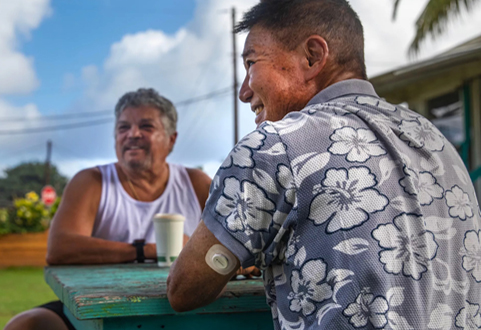
Managing a chronic condition can be stressful. Feelings of anxiety or depression may arise, making mental health support crucial. Counseling, support groups and resources from DAV and the VA can improve veterans’ ability to manage diabetes effectively.
Diabetes testing options
- Fasting blood sugar
- Hemoglobin A1c
- Oral glucose tolerance tests
These assessments help determine whether a veteran has prediabetes or diabetes.

Diabetes treatment options
- Metformin: Common first-line treatment for Type 2 diabetes
- Insulin therapy: Required for Type 1 diabetes and some cases of advanced Type 2 diabetes
- Newer medications: GLP-1 receptor agonists and SGLT2 inhibitors offer additional blood sugar control and reduced complication risks
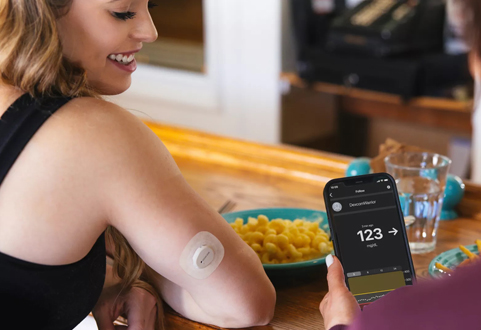
- Continuous Glucose Monitoring (CGM): CGM provides real time glucose numbers that help people better understand their diabetes, and make more informed daily decisions
RESOURCES FROM DEXCOM
Dexcom is proud to partner with DAV and support veterans living with diabetes. As the leaders in Continuous Glucose Monitoring (CGM), Dexcom’s goal is to help you feel more confident in managing diabetes. Explore the links below to learn more diabetes and effective treatment tips.