
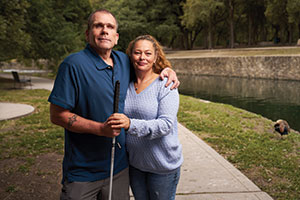
 Military and veteran caregivers tend to the needs of a loved one who has limitations due to illness, injury or disability sustained during their service. Currently, over 14 million Americans voluntarily fill this essential caregiver role. Many provide 24/7, comprehensive support, which includes managing complex medical needs, coordinating appointments, assisting with daily activities and providing vital mental health support.
This intensive commitment can create a severe financial burden on veteran families. Caregivers often forgo or interrupt careers, leading to lost income, lapsed professional certifications and licenses, depleted retirement savings, and significant barriers to reentering the workforce.
The devastating consequences are clear: One-third of military and veteran caregiving families live at or below the federal poverty line. Food insecurity for those caring for a veteran age 60 or under has reached 40%, and two-thirds of this population struggles to pay their bills. Congress has an obligation to ease this burden by passing the bipartisan Veteran Caregiver, Reeducation, Reemployment, and Retirement Act (H.R. 2148/S. 879).
“This vital legislation would provide essential support by requiring the Department of Veterans Affairs to reimburse eligible caregivers for fees associated with obtaining professional certifications or relicensure necessary for employment, significantly easing their transition back to the workforce,” said DAV Associate National Legislative Director Shamala Capizzi.
“It would grant access to existing federal employment assistance programs and extend health coverage and bereavement counseling that caregivers rely on. It would also require a report of the feasibility of establishing a retirement plan or retirement savings option for family caregivers.”
The existing Program of Comprehensive Assistance for Family Caregivers, established by Congress in 2012, provides monthly stipends for caregivers of veterans with the most complex needs. However, this essential financial support ends suddenly when a caregiver transitions out of the role, often after their veteran loved one dies.
In moments of profound hardship, grief and life change, these selfless individuals find themselves professionally disadvantaged and without savings to rely on.
“While the VA offers caregiver support to eligible veterans, significant gaps persist,” said DAV National Commander Coleman Nee. “This undeniable need compelled us to create DAV Caregivers Support, which is a lifeline that connects these selfless individuals with the public and private resources they desperately need to navigate the complexities of caregiving and improve their quality of life and that of those under their care.
“It’s now up to our elected officials to do their part and pass H.R. 2148/S. 879, the Veteran Caregiver Reeducation, Reemployment, and Retirement Act, which will help ensure that no caregiver ever faces their journey alone.”
Related News & Events
Creating a united force through member recruitment


Here’s what came from historic women veterans legislation
DAV programs are empowering businesses that hire veterans

DAV statement on VA rule rescindment