On a four-hour helicopter ride, Lenny Dolshenko left the life he knew and entered a war that was just beginning. The 400-mile inland mission, launched from the USS Peleliu, aimed to seize and secure a desert airstrip in southern Afghanistan.
It was just two months after 9/11.
“We were the first conventional troops in Operation Enduring Freedom,” Dolshenko said. “We pulled off the longest Marine Corps amphibious raid in history.”
The Marines landed at night, cleared their objective and secured the airfield that became known as Camp Rhino—a critical foothold for forces moving deeper into the country. The mission itself was brief, but the intensity lingered long after it ended.
“It was almost like I couldn’t turn it off,” Dolshenko said, recalling the constant nervous anxiety he felt while deployed.
That tension followed him home.
For many veterans, the transition from service to civilian life brings battles that aren’t immediately visible. Trauma and service-connected injuries—physical and psychological—can compound over time, straining careers, finances and family life.
After leaving the Marine Corps in 2004, Dolshenko tried to move forward without addressing what lingered beneath the surface.
“I just sucked it up,” he said, “like a lot of Marines do after we get out—issues we carry with us from the Marine Corps and deployments.”
He became a police officer in Elkhart, Indiana, drawn to a profession that mirrored the structure and sense of mission he had known in uniform. But the hypervigilance that once served him in combat followed him into law enforcement. Anxiety, nightmares and flashbacks steadily mounted.
“That feeling of uncertainty—not knowing what was coming next but knowing what could be coming next,” he said. “Those were very familiar emotions. I experienced them as a police officer, and they took me back to my time in the Marine Corps.
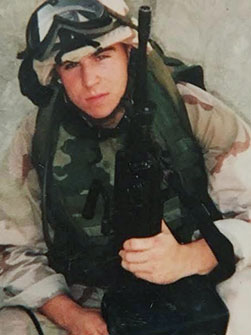
“There were work situations that brought me back to Afghanistan,” he added. “The post-traumatic stress disorder snowballed the further I went in life.”
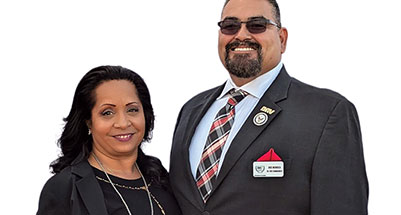
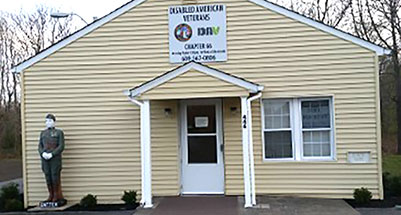
Recognizing Dolshenko was struggling, fellow veterans on the force encouraged him to attend a meeting at DAV Chapter 42 in Plymouth. There, he met DAV benefits advocate John Rodriguez, who helped him file claims for tinnitus, hearing loss and PTSD. Like many veterans in law enforcement, Dolshenko was initially apprehensive about seeking his earned VA benefits, citing long-standing cultural and career concerns. “It took me a few months to really pursue my benefits,” he said.
That hesitation is common among police officers who served in uniform. DAV’s 2024 Disabled American Veteran of the Year, Terry Hillard, has spoken candidly about waiting nearly five decades to file a VA claim out of fear that documenting a disability could jeopardize his police career.
A Vietnam veteran and fellow Marine, Hillard now uses his credibility to educate police officers, firefighters and other first responders about the benefits they earned.
“We don’t want what happened to me to happen to anyone else,” Hillard said in 2024. “If you were in Afghanistan or Iraq—any war or no war—and you feel you have a legitimate claim, we want you to talk to the DAV national service officers here who will guide you through the process.”
For Dolshenko, the cost of waiting became painfully clear. After 14 years with the department, he was medically retired following an accident, but his partial pension wasn’t enough to cover his mortgage or support his family.
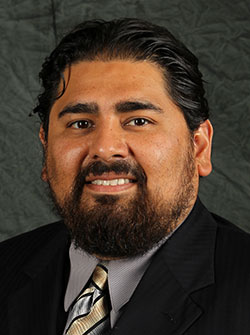
“The most important thing was getting him [the VA disability compensation] he already earned,” Rodriguez said. “And we succeeded in that.”
The VA approved those benefits last year.
“I didn’t know how I was going to pay my bills,” Dolshenko said. “Because of John, his team and their hard work, I was able to keep my house.”
While Dolshenko was initially uneasy about seeking his earned VA benefits—particularly as a police officer—he now recognizes that veterans of all backgrounds should ask for help when they need it.
“There’s a lot of that Marine mentality—being the tough guy, being in control of everything,” he said. “I knew Marines who had it much worse than I did, so I compared myself to them. But John, his team and other guys I worked with really opened my eyes to what I’ve earned.”
Related News & Events
When disaster strikes, DAV stands with veterans
DAV, Dexcom unite to empower veterans living with diabetes