
National Commander Message
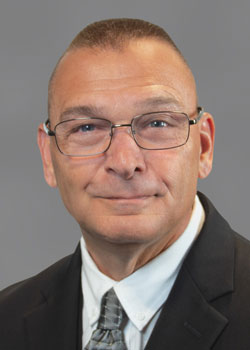
John Donovan, National Commander
Preparing the next generation to serve veterans
When I was a young sailor, a warrant officer shared a simple piece of advice that stayed with me throughout my military career and has guided me ever since: “Watch one. Do one. Teach one.”
At first, it sounds like a training method—and it is. You learn by observing. You gain confidence by doing. And you ensure success by passing that knowledge on to others. But over the years, I came to realize it’s much more than that. It’s a philosophy of leadership, service and responsibility.
As I begin my tenure as your national commander, I believe that same principle applies to our organization.
For more than a century, generations of DAV members have watched those who came before them fight for veterans and their families, caregivers and survivors. They learned how to serve, advocate and lead. Then they stepped forward and did the work themselves. Today, it’s our turn to carry that responsibility and prepare the next generation to do the same.
DAV’s strength has never come from any one individual. It comes from members helping veterans, chapters supporting communities, and leaders sharing their knowledge and experience with those who will follow them. That cycle of learning, service and mentorship is what has sustained our organization for more than 100 years and will continue to sustain it for the next century.
One of my top priorities as national commander will be addressing the tragedy of veteran suicide. Like many families, mine has experienced firsthand the challenges veterans can face when they struggle to access the care and support they need. Every veteran deserves hope, opportunity and a path forward. DAV programs and services change lives every day, and we must continue finding new ways to reach veterans before they reach a crisis point.
I’m also committed to strengthening DAV for the future by growing our membership. In 1984, Arkansas native and then-National Commander Chad Colley led DAV past the 1 million-member mark for the first time. As a fellow Arkansan, I would love to see us achieve that milestone again. But membership is about far more than numbers. Every new member brings new ideas, new energy and a new opportunity to extend DAV’s mission to another veteran and family.
The challenges facing veterans continue to evolve, and we can’t rely solely on the way things have always been done. We must listen to our members, encourage innovation and remain open to new approaches that help us better serve veterans.
I’m honored by the trust you have placed in me. Together, let’s continue the work entrusted to us by those who came before—learning, leading and teaching—so that future generations of veterans will always have a strong voice and a place to turn.
If you want to find out more about the National Commander, you can find his biography here.