
Psychedelic therapy for veterans: real stories of healing
MINDSCAPES:
A JOURNEY THROUGH
PSYCHEDELIC
THERAPY FOR VETERANS
WELCOME
Since before the nation’s founding, veterans have carried the visible scars of battle—and the unseen wounds that linger long after. Traditional therapies and medications help some, but for others, relief is limited, if it comes at all.
In the early 1980s, as an unprecedented number of American veterans found themselves homeless following the Vietnam War, DAV launched an outreach project to deliver services to the nation’s most desperate veterans. In addition to establishing the precursors to today’s Vet Centers, DAV funded the Forgotten Warrior Project, which helped secure recognition of post-traumatic stress disorder in the American Psychiatric Association’s Diagnostic and Statistical Manual of Mental Disorders.
Since PTSD entered the American lexicon, depression, anxiety and other mental health conditions remain devastating to the afflicted, costing thousands their quality of life if not shortening their lives altogether.
It is for that reason that the organization has chosen to focus on a new frontier in healing.
Psychedelic-assisted therapy, once dismissed or misunderstood, is now at the center of groundbreaking clinical research. While results are still early, they suggest these treatments may offer something long thought lost: hope.
Mindscapes invites you to walk alongside those finding new ways forward—through the science behind the medicine, the personal stories of veterans reclaiming their lives, and the risks and challenges that remain.
THE NEED
For many veterans, the hardest battles begin after they come home. Despite decades of effort and evidence-based care, too many still live with treatment-resistant trauma—and far too many die by suicide. Different outcomes require different tools, including innovative therapies like psychedelic-assisted treatment.
Seeking help may feel impossible. The culture of resilience ingrained in those who served can discourage vulnerability. Too often, veterans are left to carry the weight alone. Families witness the toll, and communities
grieve the loss. A system designed to heal can feel powerless. Psychedelic-assisted therapy isn’t about escaping reality; it’s about confronting trauma in ways traditional methods sometimes cannot.
17.5 veterans
die by suicide every day, according to the
Department of Veterans Affairs’ (VA) 2025
National Veteran Suicide Prevention Report.
Veteran suicide rates remain significantly
higher than non-veterans, and are likely
underreported.
Up to 20%
of post-9/11 veterans experience PTSD
in a given year. Across all eras, millions
are affected, as PTSD is among the most
common service-connected disabilities.
Only 2 medications
are FDA-approved for PTSD—
antidepressants Zoloft and Paxil. They are
considered first-line treatments, but rarely
lead to full remission of symptoms for most.
THE SCIENCE
Psychedelic compounds themselves are not cure-alls. Instead, they create a psychological state usually characterized by increased openness, emotional flexibility and altered perception. This allows psychotherapy—the space where the real work is done—to go deeper and be more effective.
Think of it like anesthesia during surgery: it makes the procedure possible but doesn’t do the healing on its own. The medicine opens the door, but therapy walks the patient through it. Without proper guidance, integration and a therapeutic framework, psychedelic experiences can be confusing, frightening and unhelpful.
Psychedelic-assisted therapy is not guesswork; it’s scientific progress in action. Over the past decade, a wave of clinical research has shown promise for treating conditions long considered resistant to traditional care.
In 2017, the FDA granted “breakthrough therapy” designation to MDMA-assisted psychotherapy for PTSD. Early trials reported remarkable outcomes: many participants no longer met the criteria for PTSD after treatment. Psilocybin, the active compound in “magic mushrooms,” has received the same designation for major depressive disorder. Both are
now being explored by the Department of Veterans Affairs in clinical trials, edging closer to potential approval.
Not every regulatory step has been smooth. Despite MDMA therapy being identified as a breakthrough, some proposals and data were rejected by the FDA due to questions about study design, safety monitoring and the need for more rigorous and controlled trials. These rejections reflect the agency’s careful scrutiny rather than dismissal of the therapy’s potential, highlighting that psychedelic treatments must meet high research standards to ensure safety and efficacy.
The science is clear on one point: psychedelics are not standalone cures. They work best when paired with professional support, a safe environment and structured aftercare. Together, these elements create conditions where real, lasting healing can take root.
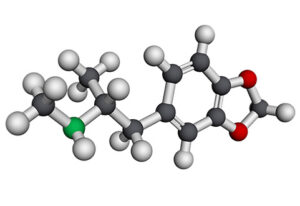
Psychedelic Compounds
Researchers are studying several psychedelics. MDMA is primarily studied for PTSD. Psilocybin and LSD are researched for depression, anxiety and end-of-life distress. Ketamine is used clinically for treatment-resistant depression and suicidal ideation. Ibogaine, ayahuasca and 5-MeO-DMT are being explored for trauma, addiction and more.
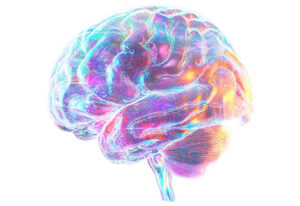
Effects on the Brain
Psychedelic compounds appear to temporarily quiet the brain’s fear center while increasing connection across normally separated networks. Researchers believe this allows traumatic memories to be recalled without the same overwhelming fight-or-flight response. Rather than reliving the traumatic event(s), psychedelic study participants can observe it with distance, reframing what was once set in stone.
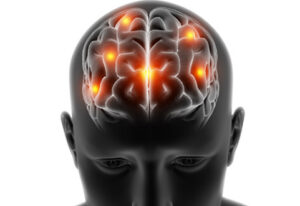
Neuroplasticity
Psychedelics can potentially reopen a window of lasting change—neuroplasticity. It increases brain’s ability to form new connections, increasing flexibility in memory and emotion to help loosen trauma’s grip. The learning window is where new emotional patterns, perspectives and behaviors can take hold.

Clinical Trial Results
In Phase 3 trials of MDMA-assisted therapy for PTSD, roughly two-thirds of patients no longer met criteria for PTSD. Psilocybin trials for major depression have shown rapid symptom reductions within weeks. While sample sizes are still relatively small and long-term data is ongoing, the effect sizes reported are significantly larger than those seen with standard care. The magnitude and speed of these results are why the research has accelerated so quickly.

Revisiting Trauma Safely
For many veterans, trauma memories feel as vivid and dangerous as the day they occurred. Innovative treatments are being studied for their ability to reduce fear responses and defensiveness, allowing patients to revisit painful memories without becoming overwhelmed. In that safer psychological space, trauma can be processed, integrated, and ultimately lose its power over daily life.

Therapy + Integration
Psychedelics are used within a structured therapeutic model, not as a take-home medication. Preparation sessions with mental health providers build trust and coping skills; the dosing session is with trained clinicians present and integration sessions help translate insights into lasting change.
THE JOURNEY
For veterans who have taken part in psychedelic-assisted therapy, the stories are as diverse as their service. Some describe a quieting of the relentless inner noise. Others speak of reconnecting with powerful memories from their youths. Many say, for the first time in decades, they felt hope.
These are not easy stories. They are raw, honest accounts of revisiting trauma in the safety of a guided session. Yet the common thread is striking: a sense that healing is possible.
Each veteran’s path is different. Together, however, their voices form a powerful chorus—challenging stigma and revealing the human side of these emerging therapies.
Justin Carlisle
Marine Corps
Zach Alden
Marine Corps
Sam Juan
Army
Gigi Theocharides
Army
THE TREATMENT
What does psychedelic-assisted therapy actually look like? It begins long before the medicine. Veterans first meet with trained therapists to set expectations and prepare emotionally. Trust and safety are essential.
During a session, the environment is calm and supportive: soft lighting, music, and a therapist nearby. Depending on the treatment, the experience can last several hours. The goal is not to escape but to engage, revisiting memories, emotions and patterns with fresh perspective.
Different medicines have different qualities. MDMA often reduces fear, allowing veterans to confront traumatic experiences without being overwhelmed. Psilocybin can foster a sense of connectedness and new meaning. Ketamine, already available in clinics, often brings rapid but shorter-term relief.
The final step is integration. Veterans process what they experienced, weaving insights into daily life. Without this, breakthroughs may fade. With it, lasting change becomes possible. The treatment is structured, intentional, and, most importantly, guided. Far from the stereotypes of recreational use, this is medicine.
THE RISKS
Psychedelic-assisted therapy is not a miracle cure. Most importantly, set and setting matter. Without professional guidance and a safe environment, risks increase. This therapy is not about experimentation but rather structured, supported healing.
THE FUTURE OF PSYCHEDELIC SCIENCE
The horizon for psychedelic therapy is shifting quickly. If results hold, the FDA could approve MDMA-assisted therapy within the next few years. Psilocybin is on a similar track. Policy is evolving as well: states and municipalities are testing decriminalization or therapeutic-access models.
One area of increasing interest among psychedelic proponents, advocates, and veterans alike is ibogaine. This naturally occurring psychedelic, derived from the African iboga plant, is being studied for its potential to interrupt addiction and heal veterans with mental health conditions and traumatic brain injuries.
Veterans are leading the charge. Thanks to advocates speaking to elected officials in Texas, the Lone Star State has set aside $50 million to study ibogaine—the largest ibogaine research plan in the world. Without veterans sharing their stories of healing, it’s hard to know
where ibogaine research would be today. Other states are considering similar proposals.
But the journey is just beginning. Questions remain about training, access, and long-term outcomes. Ensuring safety and equity will be as important as scientific breakthroughs.
For veterans and their families, the prospect is simple yet profound: a future where healing is possible, where options are broader, and where no one is left without hope.
Potential Next Steps
-
- Expanded Clinical Trials: Testing psychedelics in PTSD, depression and addiction with larger, multi-site studies.
- Regulatory Milestones: Early approvals and pilot medical programs with structured therapy.
- Integration into Care: Standardized therapy models, trained clinicals and safety guidelines.
- Mainstream Access: Wider availability, new compounds and ongoing research.
Exploring Psychedelics: A New Frontier in Veteran Care
A discussion exploring the potential of psychedelic medicines in veteran care from the 2025 DAV & Auxiliary National Convention in Las Vegas.