 Caregivers navigate many issues while taking care of a loved one, including reduced income if they have left a job or cut back on work hours. Oftentimes, a caregiver may need to step back from work to provide the level of care a loved one needs.
The loss of income and time away from the workforce can be worrying, but there may be resources caregivers are not aware of that can assist them. DAV Caregivers Support—a no-cost program available to caregivers who are caring for veterans, or for veterans who are caring for someone else —may be able to help locate resources.
“Our goal is to find resources through DAV or VA, national or local agencies—whatever is going to help meet their need,” said Heidi McClendon, a caregiver support specialist with DAV Caregivers Support.
Depending on individual needs, a caregiver is assigned a support specialist through the program. McClendon and her colleagues cast a wide net when seeking resources. Their outreach may include helping a veteran who is caring for their spouse figure out how to obtain Medicaid so the spouse can get assistance. They also look for resources within the VA and through state and local agencies, including the Aging and Disability Resource Centers, which may be able to help with home care assistance.
“DAV Caregivers Support was founded with the sole focus of helping make the caregiver journey easier,” said DAV National Caregiver Support Program Director Ron Minter. “Those who served are deserving of all the help we can provide to assist them as they navigate the path of being a caregiver or a care recipient.”
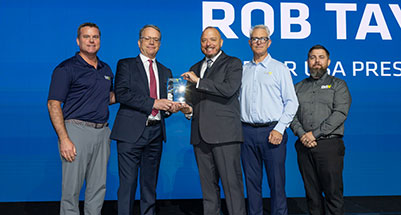
Partnerships, like the one with Veteran Debt Assistance, help DAV Caregivers Support in its mission.
“Caregivers devote their lives to our veterans, yet too often they struggle with the financial resources to support themselves. It is one of the most urgent needs we hear about,” said Veteran Debt Assistance CEO Vlad Rosca. “We’re proud to partner with DAV to give caregivers a trusted path forward, so they can continue being there for the veterans they love.”
McClendon says she and other specialists often hear recurring concerns from caregivers, including requests for help with food insecurity, utilities, rent or mortgage assistance, debt, transportation and other unexpected expenses.
While it may feel overwhelming to complete forms and paperwork that some resources may require, McClendon says she and other specialists are there to lend support. Though some financial assistance programs have income or asset limits, others may have a higher threshold or provide assistance based on a family’s situation more than based on their income.
“Take it one step at a time, and if you have questions, call us,” she said. “We’re more than happy to work people through step by step.”
Overall, McClendon says she doesn’t want caregivers to feel alone.
“I think sometimes a resource really is just being there and listening and being a consistent presence that can help folks process things and process what’s next,” she said. “When we get into these situations that overwhelm, you can get stuck. The only way to get unstuck is to keep moving forward.”
McClendon’s commitment to caregivers is steadfast: “I will be here and keep trying as long as you want me to. If one resource doesn’t work, we will move to the next thing. Don’t get too discouraged if the first one doesn’t work out. There are others.”
Learn more at davcaregivers.org
Related News & Events

A morning walk, a Purple Heart, a debt paid