
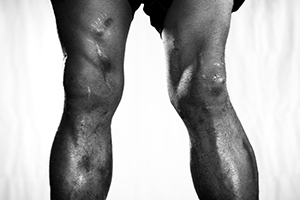
 Veterans are guided by a mindset of strength and discipline. Going the extra mile in uniform—literally, at times—was commonplace and celebrated. We’re hardwired to push through, no matter the cost. Part of that is masking discomfort and suppressing pain.
Hiding what hurts got us through war, but it’s a habit that can do us a disservice later. When you downplay a symptom at a Department of Veterans Affairs exam or appointment, unseen wounds often go unrecognized. And the support veterans deserve can slip even further away.
The VA recently proposed a change to how it evaluates painful scars for disability compensation. Under the proposed rule, the VA would amend the rating schedule to require objective evidence of pain before a scar can be rated as painful. This means that a veteran’s statement would not be enough on its own—the pain would need to be confirmed during an exam or through an observable sign such as tenderness when the scar is touched.
Put simply, the VA examiners would look for physical signs of pain rather than relying on self-reports alone. The goal is to standardize the requirements, bringing them in line with other rules, according to the VA. However, it’s crucial veterans communicate clearly and honestly about their pain.
That is particularly challenging with a population trained to push through pain barriers to accomplish the mission. But that instinct can work against you. If pain isn’t discussed or demonstrated during an exam, your disability rating could suffer. The more precise and open you are about how a scar truly affects you day-to-day, the better your chances will be of receiving a proper evaluation.
This isn’t complaining. It’s properly documenting your symptoms so your medical records accurately reflect your condition.
But the bottom line is that if you’re preparing for a VA exam or a review, don’t downplay any of your pain. Be honest about your physical wellbeing. Speaking up not only ensures the system works as intended, it will fully illustrate the sacrifices you’ve made for this nation.
Many veterans are intimately familiar with the instincts of pushing through pain. DAV national service officers have seen veterans with scars that still burn and throb even years after injury. And we’ve seen veterans minimize their suffering—not wanting to seem weak. However, by explaining the agony and demonstrating how it can get worse, a VA examiner has a better chance of documenting it clearly.
Being honest about pain—even when it feels uncomfortable—ensures your symptoms are fully recognized.
Related News & Events

How you can make a difference through monthly support

Continuing the fight

Veterans benefits increase 2.8% to keep pace with inflation
Community Impact Day: What happens next is up to you